
Bonhoeffer’s Conundrum and Ours: A Discernment Retreat
With Reggie Williams and Bill Wylie-Kellermann
April 10 - 12, 2026
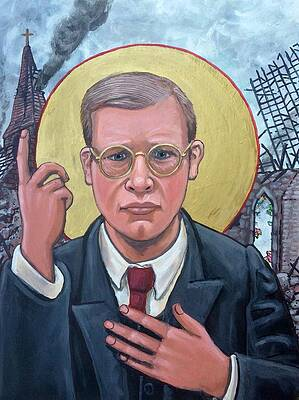
We live in times that are as complicated as they are alarming. Many who identify as Christian interpret the moment in rigid binaries: to oppose the strong leader and his national vision is, in their view, to be anti-Christian—effectively anti-American—and morally suspect. In such a climate, truths and facts offer less help than we would like, as the problem is not with reality, but with imagination. Nor, in such a moment, can we avoid certain pressing questions: What is the gospel, really? What does it mean to call someone a Christian? And is wanting one’s country to be a “Christian nation” consistent with the Christian faith?
On the other side of the wish-dream that reduces Christianity to black-and-white simplicity lies a journey through complexity toward a deeper, more honest clarity. In that clarity, the shape of the Christian life necessarily embraces the physical flourishing of our neighbor. Whatever we wish to do for the country must include maintenance of our embodied communal life together, in solidarity with overlooked, and outcast people. Given that, what do we make of our commitment to community when the ideologues of unreflective simplicity claim, for themselves the title of persecuted outcast? How does one manage the difference in the perceptions of marginalization? How can Christians discern the way we are called to walk?
Dietrich Bonhoeffer offers an example of someone responding to similar difficulties in his life and times. Although attention to him and his context does not offer us an exact comparison, there is enough resonance between his time and ours to offer a compelling analysis. His story is instructive, especially his points of personal transformation, among them his time in Harlem. He has left behind a witness of a complicated and imperfect Christian response to fascism that we may learn from as we envision the community that we want after the crisis of our moment, and the people that we must be for that community.
Join us for a weekend of rich history-telling, mountain-walking, spirit-listening, song-lifting, and community-building.
Scholarships are always available. Don’t let funds keep you away.
Continuing education certificates are available upon request.
Icon by Kelly Latimore
About the Leaders
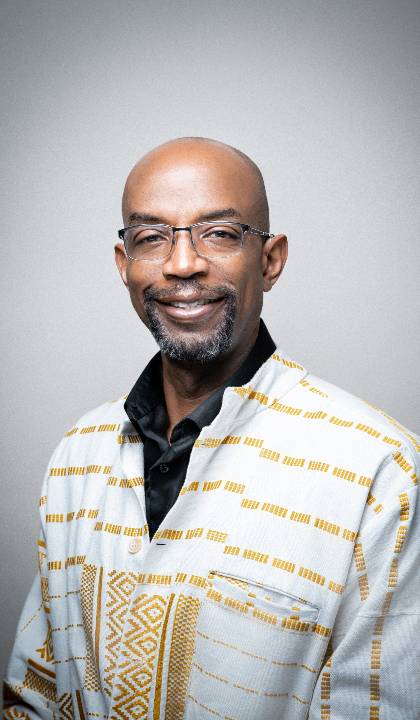
Reggie Williams
Dr. Reggie Williams teaches Black Theology at St. Louis University in Missouri and is the author of Bonhoeffer’s Black Jesus: Harlem Renaissance Theology and an Ethic of Resistance, which is an enormously important contribution to understanding Dietrich Bonhoeffer. The book examines the impact the Black Church in Harlem on his life, thought, and his approach to […]
Learn more about Reggie Williams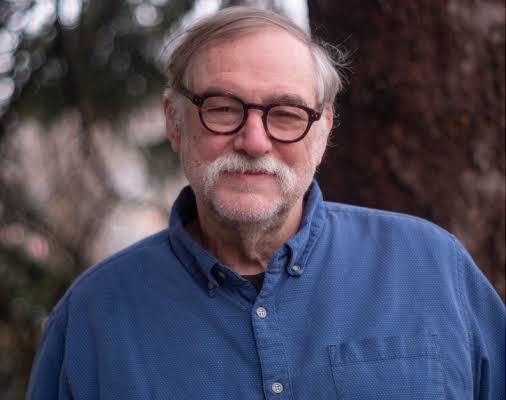
Bill Wylie-Kellermann
Bill Wylie-Kellermann is retired United Methodist pastor, non-violent community activist, author and teacher from Waawiyatanong/Detroit, now also of the community at Kirkridge on Lenape land. His first arrest for direct action was at the White House in 1971. He is author of seven books, including Seasons of Faith and Conscience: Reflections on Liturgical Direct Action […]
Learn more about Bill Wylie-KellermannCategory : Retreat